01
Dedicated resources
Each state creates a reliable funding or support mechanism tailored to its own laws and budget. This gives ICAC teams greater stability.

Alicia's Law
Alicia’s Law creates dedicated state-level support for Internet Crimes Against Children task forces. This helps investigators secure the people, training, technology, and time needed to find victims and hold offenders accountable.
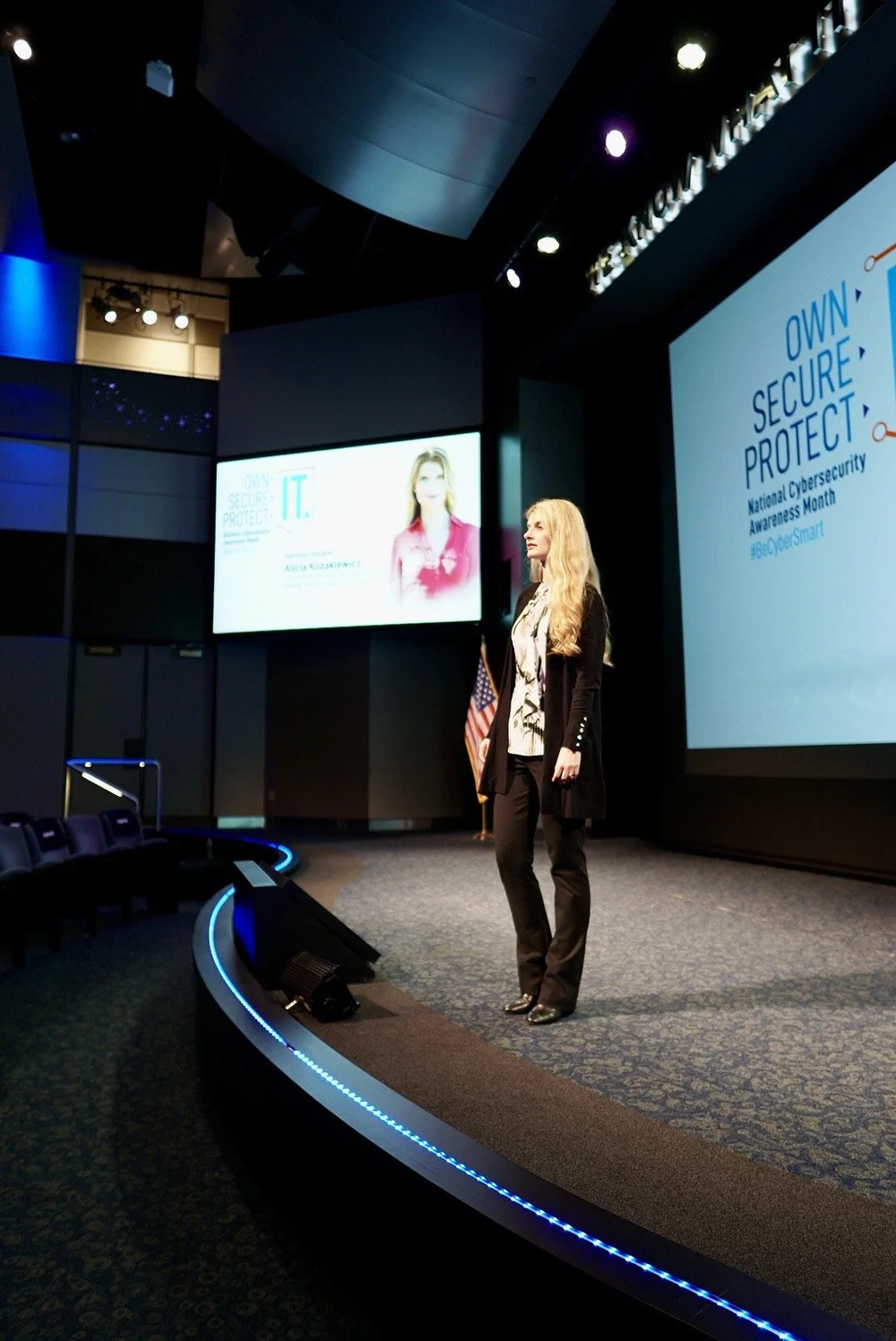
Why this is personal
At 13, I was groomed by an online predator, abducted from my home, and held captive while the abuse was livestreamed. A viewer of the livestream recognized me from my missing-person poster and reported it. The FBI followed the tip, found me, and rescued me.
In 2002, the national ICAC program was only four years old, and law enforcement’s response to internet crimes against children was still in its infancy. The internet was evolving faster than the systems built to protect children from it.
My rescue depended on a chain of events that could easily have broken. It was a miracle. It should never take a miracle.
Children’s lives and safety should not be left to chance or limited by budgetary constraints. Investigators need reliable staffing, specialized training, forensic technology, and the time to follow every urgent lead when every hour matters.
That is why I advocate for Alicia’s Law. As its namesake, I work with legislators, law enforcement, and communities to build lasting state support for the teams confronting technology-facilitated crimes against children every day.
Alicia Kozak
What Alicia's Law does
Each state creates a reliable funding or support mechanism tailored to its own laws and budget. This gives ICAC teams greater stability.
Support can strengthen staffing, specialized training, forensic technology, equipment, and collaboration across participating agencies.
More investigative capacity means more reports can be pursued, more evidence can be processed, and more offenders can be brought to justice.
The national ICAC program
These are nationwide ICAC program totals reported by the U.S. Department of Justice. They show the scale of the work, but they are not outcomes attributed solely to Alicia’s Law.
Passed and protecting
Alicia’s Law is not a one-size-fits-all bill. Each state builds a durable solution for its own ICAC work while sharing the same goal: give investigators the capacity to protect children.
Where momentum is building
These bills are active legislative efforts, not enacted states. Their status is shown separately and linked to each legislature’s official record.
Alicia's home state
HB 1098 passed the Pennsylvania House 201–0 on May 6, 2026. It was referred to the Senate Judiciary Committee on May 7.
View PA bill statusA new state effort
SB 1318 would create Alicia’s Law and an Internet Crimes Against Children Revolving Fund managed by the Oklahoma State Bureau of Investigation. It was referred to the Technology and Telecommunications Committee, then Appropriations, on February 3, 2026.
View OK bill statusThe reason I keep going
My rescue should not be the exception. Every investigator who opens a case deserves the resources to follow it. Every child deserves the chance to be found.
Alicia Kozak · Namesake and advocate for Alicia's Law
The next state starts with a conversation
Lawmakers, law-enforcement leaders, child-safety advocates, and community partners can help build the next bipartisan coalition. Alicia is available to brief stakeholders, share the survivor perspective, and help make the need impossible to ignore.
Alicia's Law FAQ
The Internet Crimes Against Children Task Force Program is a national network that helps state and local law enforcement respond to technology-facilitated child sexual exploitation and other internet crimes against children. Its work includes investigations, digital forensics, training, victim services, and public education.
The law is designed to strengthen ICAC and related law-enforcement capacity. It is not a fundraising vehicle for Alicia or a nonprofit organization. The exact funding and oversight structure is defined by each state’s legislation.
No. States use different mechanisms, including appropriations, dedicated funds, fees, or other durable sources, to support their own investigative needs. The shared goal is stable capacity for child-exploitation investigations.
Alicia’s Law is a state-level legislative model. Federal support remains important, while state action can add sustained resources and capacity tailored to local needs.
Start by bringing together state legislators, ICAC or law-enforcement leadership, and child-safety stakeholders. Contact Alicia and her team to discuss the state’s needs, the legislative path, and how survivor-informed advocacy can support the effort.
National ICAC figures and program description: U.S. Department of Justice, OJJDP. Illinois status: Illinois State Police. Pennsylvania status and vote: Pennsylvania General Assembly. Oklahoma status and bill text: Oklahoma Legislature. State timeline compiled from enacted state measures and Alicia Kozak’s advocacy archive. Legislative status current as of August 6, 2026.